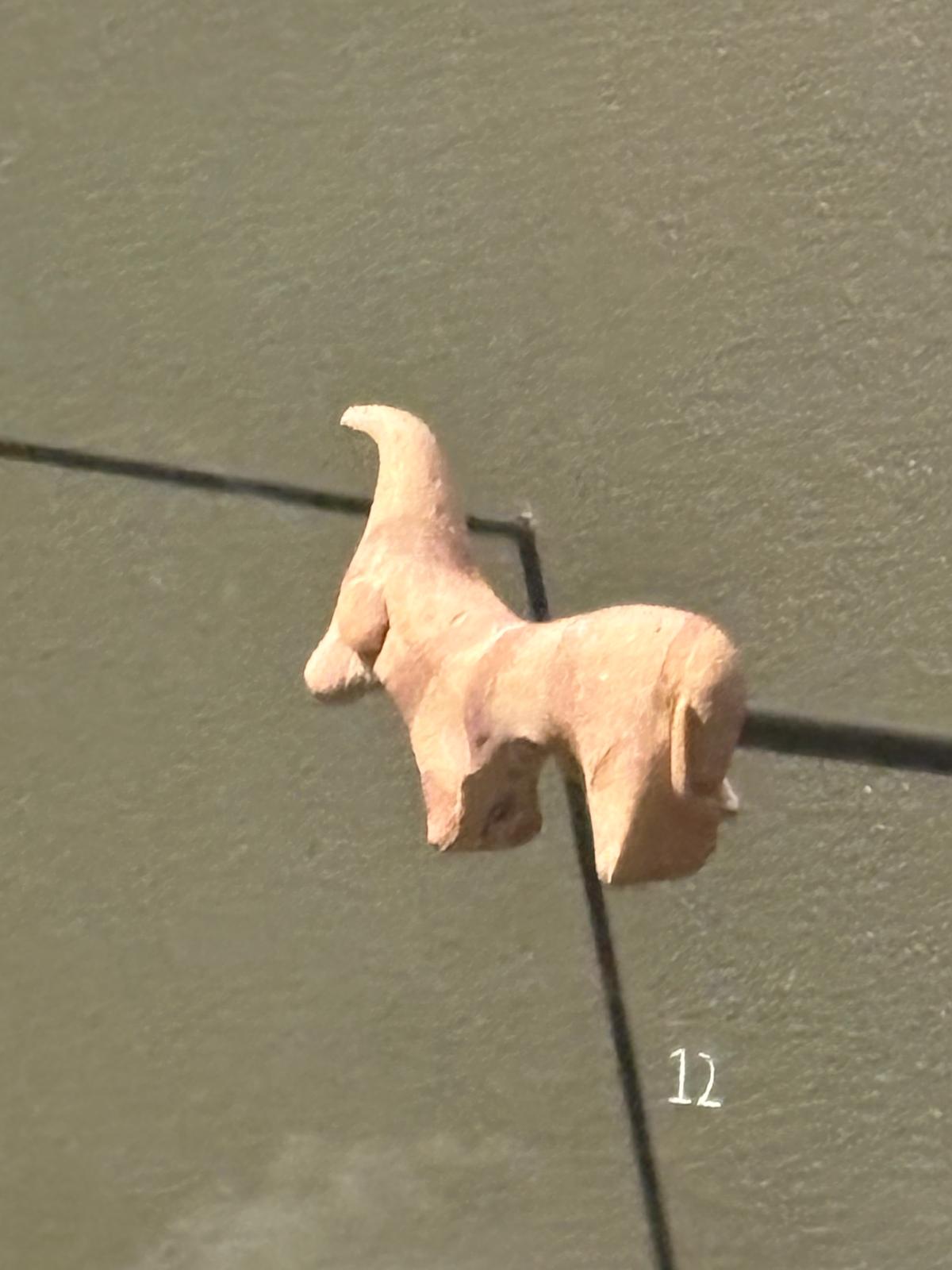
In the bustling city of Harappa, almost four and a half thousand years ago, lived a young farmer named Rohan. His family’s life depended on their small patch of land outside the city walls, and the strength of their oxen to pull the plough through the hard earth. That year, a mysterious illness had swept through the herds, taking many animals, including Rohan’s strongest bull, Kala. Without Kala, the fields lay fallow, and Rohan’s family faced hunger. Desperate, Rohan visited the city's humble potter. He watched as the old man expertly shaped a small piece of clay into a sturdy bull, its hump pronounced, its head held high with a single, symbolic horn. This was Vrishabha, the clay bull, a miniature embodiment of strength and fertility. Rohan bought the figurine with his last few coins, his heart heavy with a mixture of hope and doubt. Back home, he placed Vrishabha carefully beside the hearth, lighting a small oil lamp before it. Every day, he would speak to the little clay bull, not with grand prayers, but with simple, heartfelt pleas for his remaining ox to regain its strength, for the fields to be fertile, and for the life-giving rains to come. He imagined Vrishabha standing guard over his family's fortunes. Slowly, almost imperceptibly, things began to turn. His remaining ox, though old, seemed to find new vigor. The monsoon, though late, arrived with a gentle, soaking rain rather than a destructive deluge. Rohan worked tirelessly, and by harvest time, the yield was modest but enough. Rohan never forgot Vrishabha. The clay bull remained by his hearth, a constant reminder of resilience, the power of humble faith, and the vital spirit of the animals that sustained their world. When archaeologists eventually uncovered the little figurine centuries later, they saw not just a toy or an offering, but a tangible echo of a farmer's enduring hope in the heart of the great Indus Valley.
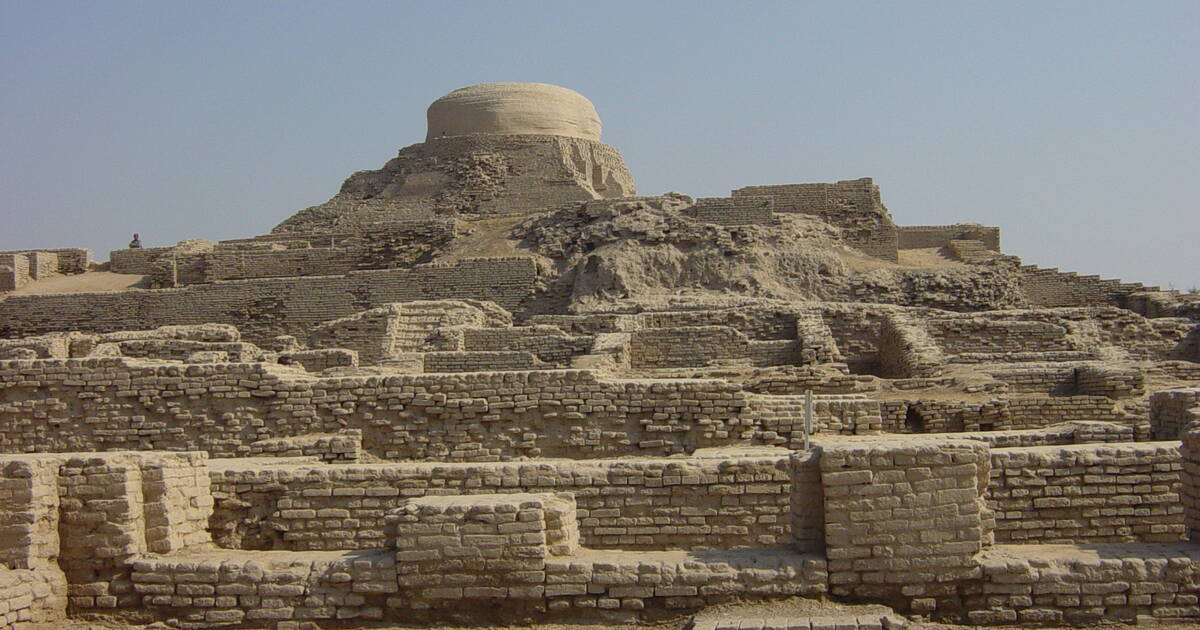
The Indus Valley Civilization, also known as the Harappan Civilization, was one of the world's great ancient civilizations, uniquely defined by its geographical setting. It thrived along the fertile plains of the Indus River system, primarily in modern-day Pakistan and northwestern India. The lifeblood of this civilization was the annual monsoon-driven flooding of the Indus and its tributaries, which deposited nutrient-rich silt. This natural process created an expansive agricultural belt that was able to sustain a large and dense population, leading to the development of sophisticated urban centers like Harappa and Mohenjo-Daro.
While the civilization's heartland was a massive river basin, its geographic spread was vast and bordered by several natural features. The towering Himalayan Mountains to the north, the vast Thar Desert to the east, and the Arabian Sea to the south provided natural barriers that helped protect the civilization. However, these barriers were not a complete seal; mountain passes, such as the Khyber Pass, facilitated crucial long-distance trade and cultural exchange with regions to the west and north. The civilization's ability to manage its environment was a testament to its ingenuity; advanced urban planning and complex drainage systems were likely developed to cope with the unpredictable and sometimes devastating nature of monsoon floods. Ultimately, the civilization's decline is theorized to be linked to a long-term climate change event, a gradual drying of the region that disrupted the vital agricultural system and led to the eventual abandonment of its great cities.
What material is the animal figurine made from?
What did the bull symbolize for the Indus people?
The Indus Valley Civilization was located primarily in modern-day...
What natural event was the lifeblood of the Indus civilization's agriculture?