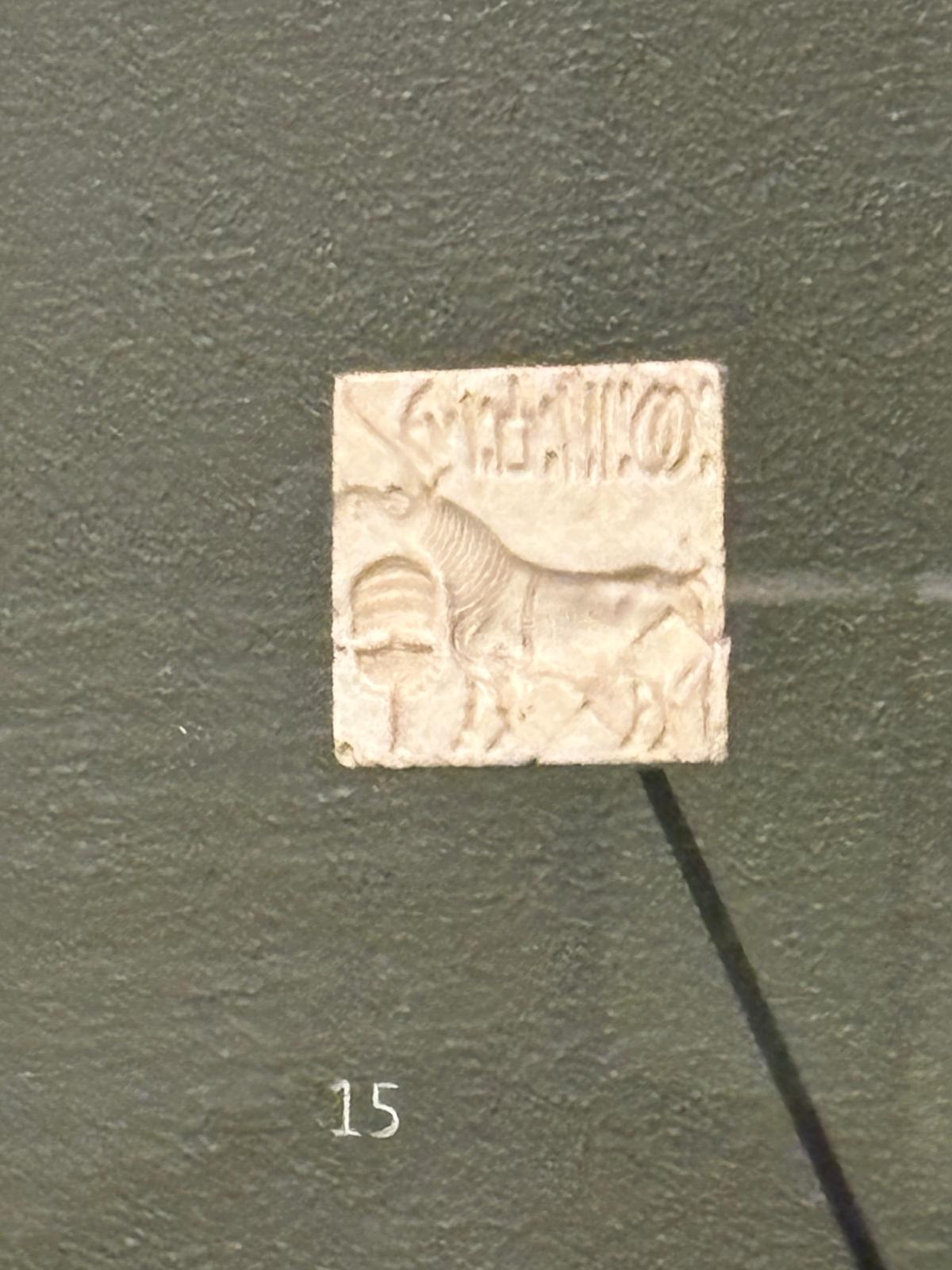
The Merchant's Mark In the sprawling port city of Lothal, where the Arabian Sea met the bustling trade routes of the Indus, lived a merchant named Dhaval. His warehouses hummed with activity, filled with finished textiles, polished carnelian beads, and heavy copper ingots. Dhaval's most prized possession, the symbol of his reputation and wealth, was his Steatite Seal—a small, square stone, intricately carved. His seal bore the image of the Unicorn, a magnificent, single-horned beast, standing proudly before a ritual stand. Above it, a row of enigmatic symbols—Dhaval's unique mark in the Indus script. The unicorn was not just an animal; it was an emblem of his lineage, a guardian spirit, and a promise of integrity in trade. It represented the purity of his dealings and the strength of his word. Every time a shipment was prepared for Dilmun or distant Mesopotamia, Dhaval would take a lump of damp clay. With a practiced hand, he would press his seal firmly into it, leaving a crisp, raised impression of the unicorn and the script. This clay tag would be tied to the bundle, a guarantee of its contents and its origin. One scorching summer, a severe dust storm delayed a critical shipment of beads destined for a wealthy foreign client. When the caravan finally arrived, days late, the client was furious, suspecting foul play or damaged goods. But when he saw the unbroken clay seals, each bearing Dhaval's unmistakable unicorn, his anger softened. The integrity of the seal, known even in distant lands, spoke louder than any accusation. The goods were accepted, and Dhaval's reputation, marked by the steadfast unicorn, was upheld. The small seal, discovered millennia later by archaeologists, spoke volumes not just of a lost script, but of the sophisticated trade, trust, and symbolic power that underpinned the great Indus Valley Civilization. It was the enduring mark of a merchant's honor, etched in stone.
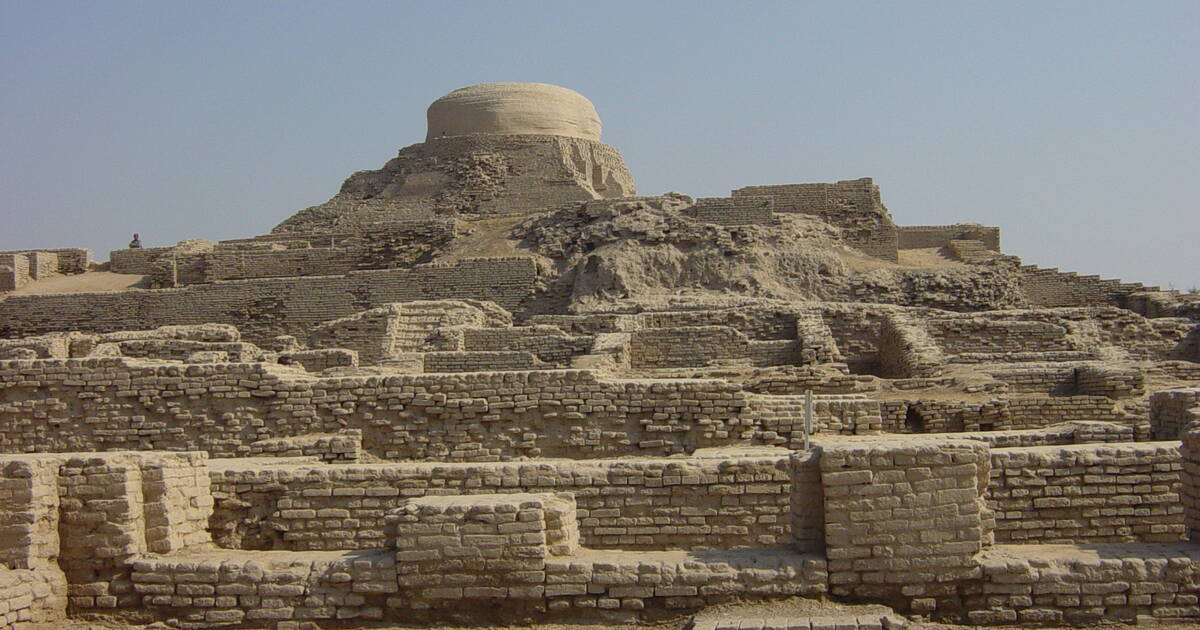
The Indus Valley Civilization, also known as the Harappan Civilization, was one of the world's great ancient civilizations, uniquely defined by its geographical setting. It thrived along the fertile plains of the Indus River system, primarily in modern-day Pakistan and northwestern India. The lifeblood of this civilization was the annual monsoon-driven flooding of the Indus and its tributaries, which deposited nutrient-rich silt. This natural process created an expansive agricultural belt that was able to sustain a large and dense population, leading to the development of sophisticated urban centers like Harappa and Mohenjo-Daro.
While the civilization's heartland was a massive river basin, its geographic spread was vast and bordered by several natural features. The towering Himalayan Mountains to the north, the vast Thar Desert to the east, and the Arabian Sea to the south provided natural barriers that helped protect the civilization. However, these barriers were not a complete seal; mountain passes, such as the Khyber Pass, facilitated crucial long-distance trade and cultural exchange with regions to the west and north. The civilization's ability to manage its environment was a testament to its ingenuity; advanced urban planning and complex drainage systems were likely developed to cope with the unpredictable and sometimes devastating nature of monsoon floods. Ultimately, the civilization's decline is theorized to be linked to a long-term climate change event, a gradual drying of the region that disrupted the vital agricultural system and led to the eventual abandonment of its great cities.
What is the most common animal symbol found on Indus seals?
What is the term for the undeciphered writing system of this civilization?
Which of these is a famous urban center of the Indus Valley Civilization?
What did mountain passes like the Khyber Pass facilitate for the Indus people?