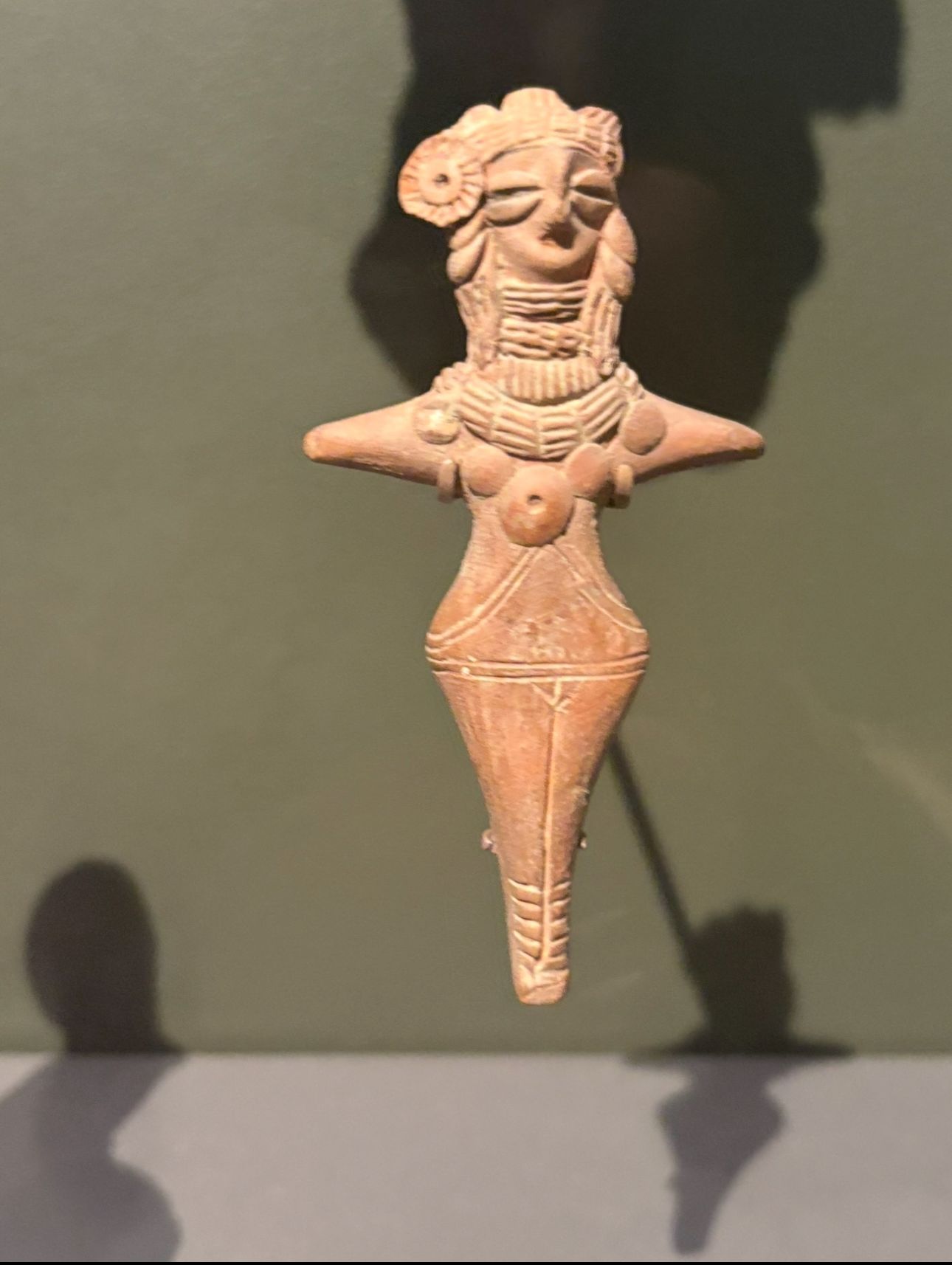
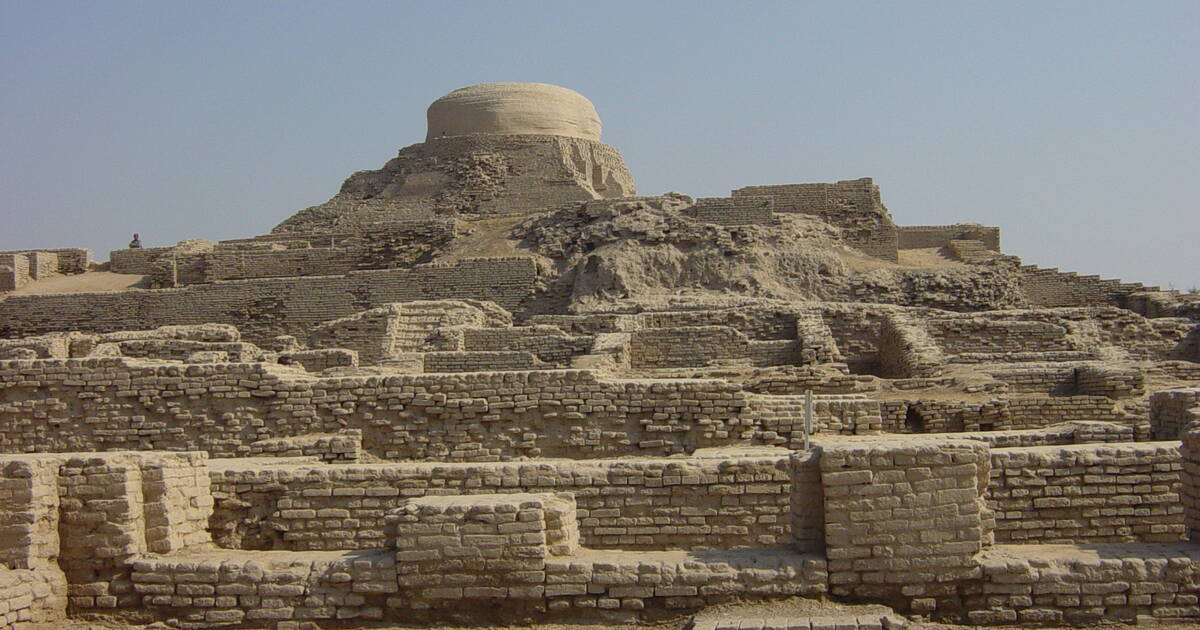
In the ancient city of Mohenjo-Daro, four thousand years ago, the terracotta figurine was simply called Amma—Mother. She was born not in a temple, but in the hands of a village potter, fired in a small kiln alongside pots and beads. Her wide hips were a promise, her heavy necklaces a prayer. Her life was spent on a high shelf in the home of a weaver named Leena. Every morning, Leena would place a few grains of barley before her and touch her brow to the cool clay. Amma was the silent guardian of the home, the patron of the cradle. When Leena’s first loom thread snapped, she appealed to the goddess. When the monsoon was late, she asked for rain. When her daughter, Priya, was born healthy, Leena painted a fresh red dot on the figurine’s elaborate headdress as a thanksgiving. Amma was the spirit of fertility, a bridge between the thriving, chaotic life of the Indus River and the quiet hope of one small family. She was found centuries later, carefully preserved under the silt, a testament to the primal, powerful, and utterly personal connection between an ancient people and the divine female force that governed their lives.
The Indus Valley Civilization, also known as the Harappan Civilization, was one of the world's great ancient civilizations, uniquely defined by its geographical setting. It thrived along the fertile plains of the Indus River system, primarily in modern-day Pakistan and northwestern India. The lifeblood of this civilization was the annual monsoon-driven flooding of the Indus and its tributaries, which deposited nutrient-rich silt. This natural process created an expansive agricultural belt that was able to sustain a large and dense population, leading to the development of sophisticated urban centers like Harappa and Mohenjo-Daro.
While the civilization's heartland was a massive river basin, its geographic spread was vast and bordered by several natural features. The towering Himalayan Mountains to the north, the vast Thar Desert to the east, and the Arabian Sea to the south provided natural barriers that helped protect the civilization. However, these barriers were not a complete seal; mountain passes, such as the Khyber Pass, facilitated crucial long-distance trade and cultural exchange with regions to the west and north. The civilization's ability to manage its environment was a testament to its ingenuity; advanced urban planning and complex drainage systems were likely developed to cope with the unpredictable and sometimes devastating nature of monsoon floods. Ultimately, the civilization's decline is theorized to be linked to a long-term climate change event, a gradual drying of the region that disrupted the vital agricultural system and led to the eventual abandonment of its great cities.
What is a prominent feature of the Mother Goddess figurine's design?
What do scholars believe was the primary purpose of these figurines?
What provided natural protection for the Indus Valley Civilization to the east?
The decline of the Indus Valley Civilization is theorized to be linked to what?